A celebration of Himalayan heights and one of ocean depths; a trek along the frozen rivers of Siberia and a journey in pursuit of a raindrop; plus the authorised biography of Jan Morris: these are some of the books on travel and place coming this year
JANUARY
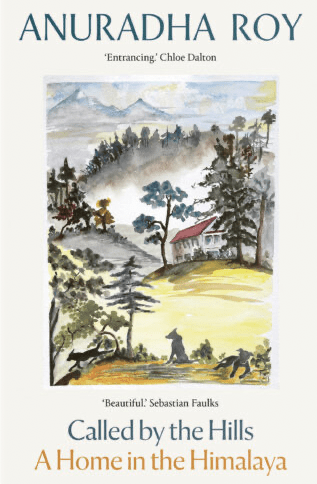
Called by the Hills: A Home in the Himalaya by Anuradha Roy (Daunt Books, £12.99, January 15)
On a visit from Delhi to the hill station of Ranikhet, in the state of Uttarakhand, the novelist Anuradha Roy and her husband happened upon a derelict cottage and decided that they would live there. “Twenty-five years on,” she writes, “I know the precise bend on the road to Ranikhet where the air changes to champagne. We draw deep breaths here. If we were balloons, we would inflate to the tips of our toes and fingers.” In Called by the Hills, Roy (author of Sleeping on Jupiter) celebrates life among forests where leopards roam free, and reports on the impact of global warming on the alpine ecosystem. In her first work of non-fiction, illustrated with her own watercolours, she offers “a tender and intimate portrait of a home, a community and a rugged, extraordinary landscape”.
The Edges of the World by Charles Foster (Doubleday, £22, January 22)
Charles Foster is a writer and academic who is “trying to work out what we’re doing here”. To that end, he had spells living as a badger, a deer and a fox for his bestseller Being a Beast. Then, in Being a Human, he examined three seismic epochs in the history of consciousness: the Upper Palaeolithic, the Neolithic and the Enlightenment. His latest book, he reckons, is “the most important thing I’ve written”. His publisher says it’s “a fascinating and philosophical travel book [which] argues that all the best ideas happen at the edges, from a rocky precipice where the first human set foot in Europe to an ancient Egyptian temple where monotheism was invented; from a sofa on a remote clifftop in Iceland to the giant bird-eating mice of St Kilda”. It’s a book “of mind-expanding journeys to the edges — where all the most interesting things happen…”
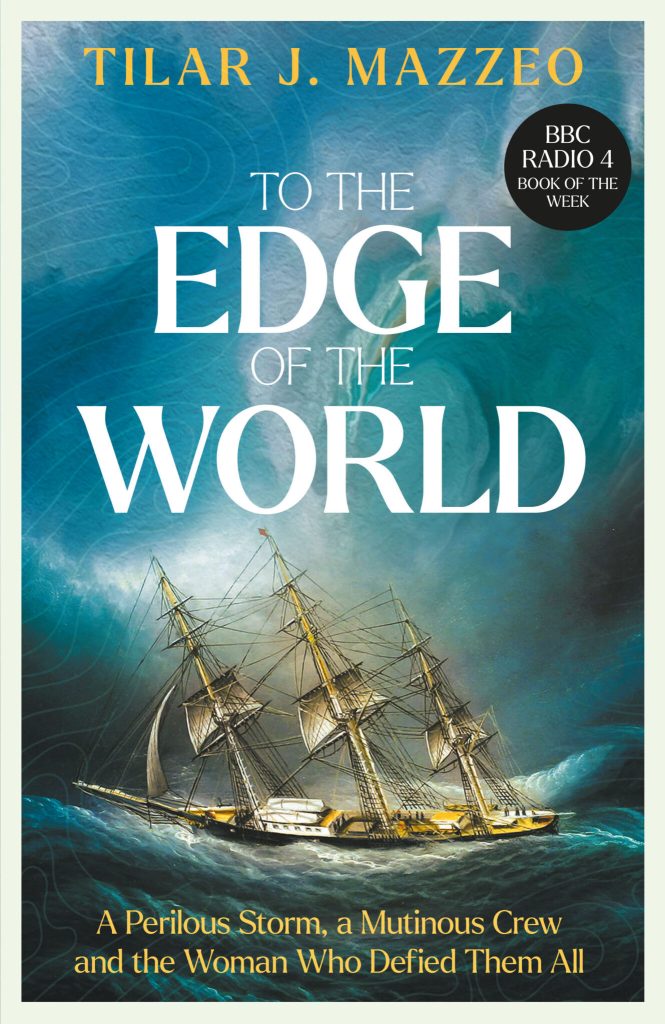
To the Edge of the World: A Perilous Storm, A Mutinous Crew and the Woman Who Defied Them All by Tilar J Mazzeo (Elliott & Thompson, £20, January 29)
Nineteen-year-old Mary Ann Patten and her husband, Joshua, both from New England seafaring families, had completed one voyage around the world and were dreaming of building a home and a family — but first they had one last dangerous transit: to deliver supplies, in the summer of 1856, from New York to miners in the California Gold Rush. When Joshua, the captain, fell ill, and the first mate was in the brig for insubordination, Mary Ann was forced to take the helm, put down a mutiny and, in the middle of a gale around Cape Horn, turn towards the wilds of Antarctica to save ship and crew.
Tilar J Mazzeo (bestselling author of The Widow Clicquot, now a Hollywood film) undertook an expedition of her own to Cape Horn and Antarctica in 2022 to retrace Mary Ann’s footsteps. Drawing on that experience, and new archival research, “this thrilling adventure blows apart the well-worn image of the meek, retiring 19th-century wife”.
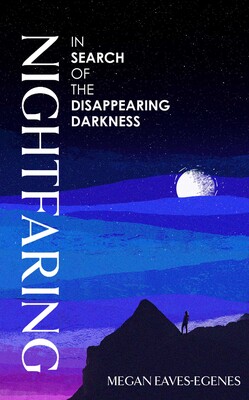
Nightfaring: In Search of the Disappearing Darkness by Megan Eaves-Egenes (Simon & Schuster, £18.99, January 29)
“The only time I feel a real sense of perspective,” says Megan Eaves-Egenes, “is when I’m looking up at the night sky, because I’m reminded of how tiny I am and how insignificant my problems are.” At a hard time in her life, the travel writer and “dark sky” advocate embarks on a journey that takes her from her homeland in New Mexico to Mount Everest, from the North York Moors to the Argentinian jungle, exploring the many ways that we have depended on, feared and mythologised darkness, and asking whether — with over-lit cities bleaching our skies — we are losing our connection with all the good that comes with nightfall.
FEBRUARY
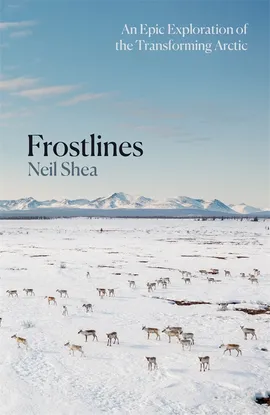
Frostlines: An Epic Exploration of the Transforming Arctic by Neil Shea (Picador, £20, February 12)
For more than 15 years, Neil Shea has been reporting for National Geographic from places at the intersections of conflict, climate science and cultural change. In Frostlines, he returns to a region he first saw in 2005, when it seemed frozen in time. No longer. Beginning his journey among the wolves of Canada’s Ellesmere Island, he travels among the indigenous peoples of Nunavut and the Northwest Territories. In the Barren Lands, he watches bears, or “Big Men”. In Alaska, he tracks the patterns of caribou, now shifting after thousands of years of predictability, and in the European Arctic he explores rising tensions along the border between Norway and Russia. Frostlines is “an expansive yet intimate revelation of the Arctic during a time of crisis”.
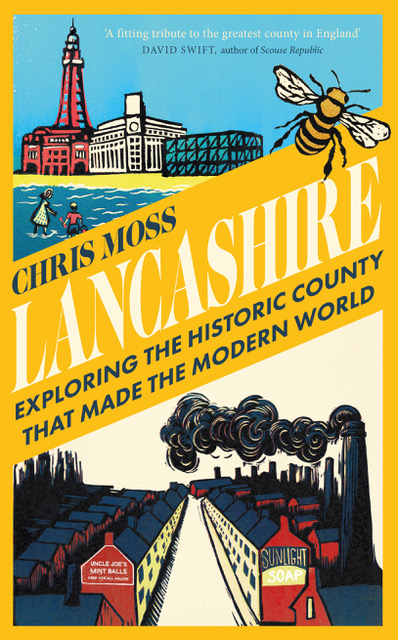
Lancashire: Exploring the Historic County that Made the Modern World by Chris Moss (Old Street Publishing, February 17, £25).
I mentioned this one a while ago, a book in which Chris Moss, who has explored the world as a travel writer, digs into the past of his native county, reminding us what it has done through cotton, canals and railways, science, television and sport. (In July, he will also be publishing Where Tourists Seldom Tread — see below.)
MARCH

The Icknield Way by Edward Thomas (Little Toller, £15, March 3).
“Much has been written of travel, far less of the road…” Thus the poet Edward Thomas opened his account (originally published in 1913) of what’s often said to be the oldest road in Britain, that “rough, tussocky sheaf of cartways” called the Icknield Way, which extends from the Dorset coast to Norfolk. He tells how the path was established, recounts its history and, with the stories of those who have used it, takes us on a journey through time and place. This edition, with an introduction from Jack Cornish, author of The Lost Paths and director for England at the Ramblers’ Association, joins two other Thomas prose works under the Little Toller imprint: The South Country and In Pursuit of Spring.
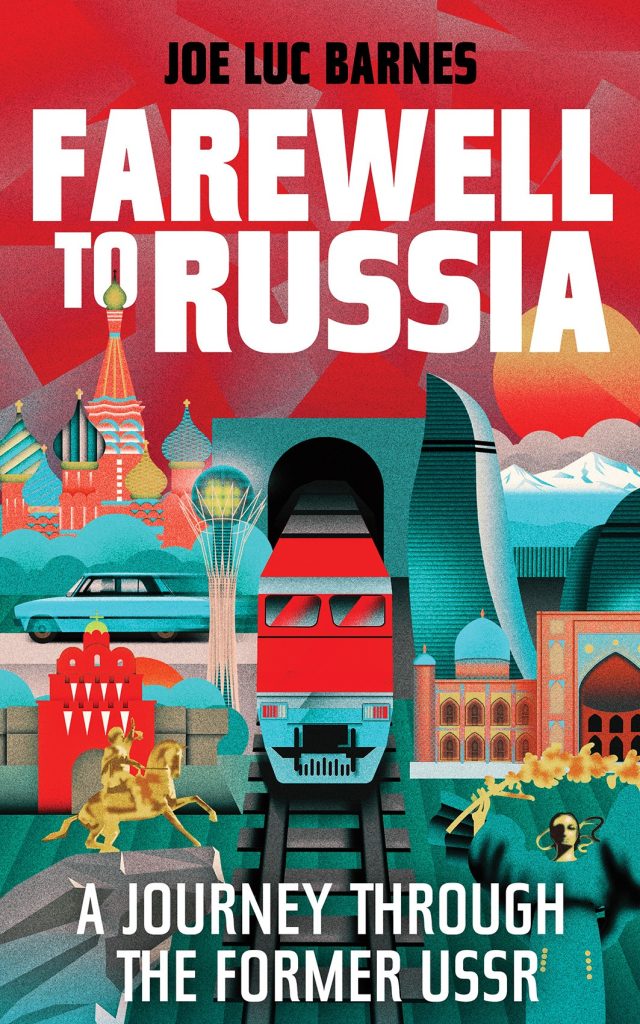
Farewell to Russia: A Journey Through the Former USSR by Joe Luc Barnes (Elliott & Thompson, £22, March 5)
When the Soviet Union collapsed in 1991, 15 new countries were born. Thirty-five years on, what has become of them? That’s the question the British journalist Joe Luc Barnes set out to answer with his first book. In the wake of Russia’s invasion of Ukraine, he crossed the former USSR, travelling from the gleaming towers of Azerbaijan to the former gulags of Kazakhstan, from tech-hungry Estonia to the minarets of Uzbekistan, and talking to everyone from nomads in mountain yurts to TikTok-fuelled activists. “By turns hilarious, angry and heart-stopping, this is a deeply human, darkly comic portrait of a region the West still misunderstands – and a warning of what happens when empires break but the habits of empire refuse to die.”
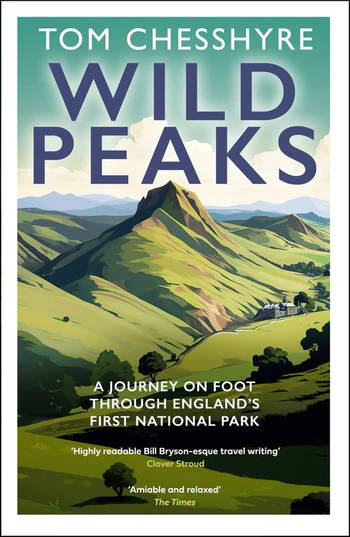
Wild Peaks: A Journey on Foot Through England’s First National Park by Tom Chesshyre (HarperCollins, £20, March 26)
On Kinder Scout in Derbyshire, the highest point on land now known as the Peak District, a mass trespass took place in 1932 in the battle to restore access to the countryside that had been cut off by the Enclosure Acts of the 18th and 19th centuries. The jailing of some of the campaigners sparked much larger protests, prompted the formation of the Ramblers’ Association and led to the designation, in 1951, of the Peak District as Britain’s first national park. To mark the 75th anniversary, Tom Chesshyre (see Ticket to Ride, below) hits the trails on his own 363-mile ramble to celebrate the symbolic home of hiking.
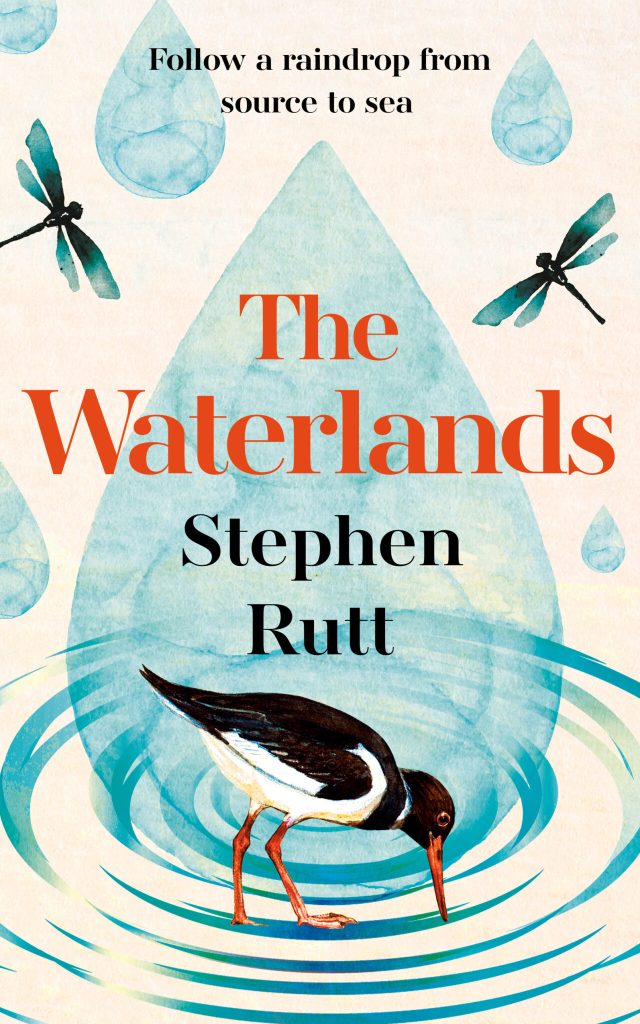
The Waterlands: Follow a raindrop from source to sea by Stephen Rutt (Elliott & Thompson, £16.99, March 26)
Despite falling into a river when he was two years old, the naturalist Stephen Rutt has never learned to swim, but he has been fascinated ever since by water. In his latest book, he shares that fascination, following a raindrop as it falls to the ground in the Lowther Hills of Scotland and travels on. He explores the many influences affecting how water shapes our landscape and wildlife, and how we shape it in return. “It is a story that takes us from the deep past of the dinosaurs to the near future of our water-stressed island,” he says, “navigating our legacies of chemical pollution and sewage through to the rewetted, rewilded places that show an alternative way forward.”
News from Tartary: A Journey from Peking to Kashmir
by Peter Fleming (Eland, £14.99, March 26)
Peter Fleming (1907-71), journalist, adventurer and decorated soldier, already has a book in the Eland travel-classics catalogue: Brazilian Adventure, the story of his hunt for Colonel Percy Fawcett, a British explorer who had vanished in Amazonia. News from Tartary tells of an illegal, six-month journey he made in 1935 with the Swiss writer Ella Maillart through a region each had explored alone (he for One’s Company, she for Turkestan Solo). China was caught up in a vicious civil war while trying to repel the invading Japanese, while in eastern Turkestan Muslim warlords were allying themselves with Soviet Russia. “By all the conventions of desert-island fiction, we should have fallen madly in love with each other,” Fleming wrote. “By all the laws of human nature, we should have driven each other crazy with irritation. As it was, we missed these almost equally embarrassing alternatives by a wide margin.”
Saints of Sind by Peter Mayne (Eland, £14.99, March 26)
Peter Mayne (1908-1979), who was born in Wiltshire but raised in India, also figures already on the Eland list, with The Narrow Smile: A Journey back to the North-West Frontier and A Year in Marrakesh. In Saints of Sind, he explores the mystical Sufi shrines and hereditary saints of Pakistan’s Indus valley, in a book that’s partly anthropological quest, partly the pilgrimage of an Englishman determined to immerse himself in the ways of a dervish seeking the ultimate truth. “He is an addictively inventive and brilliant writer – witty, shrewd and wise.”
APRIL
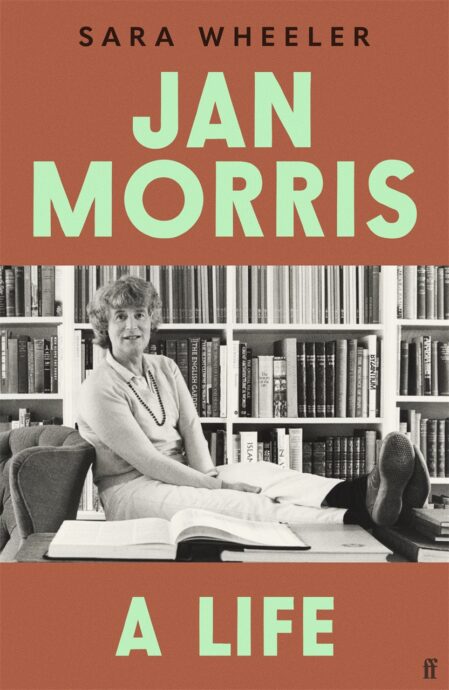
Jan Morris: A Life by Sara Wheeler (Faber, £25, April 9)
Wherever you go, Jan Morris (1926-2020), who earned a living “by perpetual wandering and writing”, has probably been there first. Venice — where “a multitude of tottering palaces, brooding and monstrous, presses towards its waterfront like so many invalid aristocrats jostling for fresh air”. Mount Everest — from where the then James Morris broke the news of Hillary and Tenzing’s ascent to the summit in 1953. Or Casablanca — where, in 1972, Morris, acting on “a lifelong conviction” that he should have been born female, had surgery to change sex.
Like Morris, Sara Wheeler has spent half a lifetime on the road. She has won acclaim for both travel writing (including Terra Incognita: Travels in Antarctica) and biographies (including Cherry: A Life of Apsley Cherry Garrard). With her authorised life of Morris, Faber says, she will reveal “a mosaic of contradictions. Morris’s work conjured the spirit of place, yet her late masterpiece Trieste celebrates ‘the meaning of nowhere’; she was a Welsh nationalist who wasn’t Welsh; a preacher of kindness with a cruel side. This is a portrait of an astonishing life, and a scintillating story of longing, travel and never reaching home.”
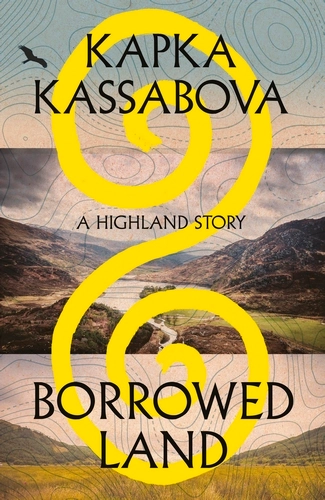
Borrowed Land: A Highland Story by Kapka Kassabova (Jonathan Cape, £22, April 9)
Following an acclaimed series of books on the Balkans (Border, To The Lake, Elixir and Anima), which has taken her back to her native Bulgaria, Kapka Kassabova turns her attention to the place where she has been living for the past 15 years, in the Highlands of Scotland, which is being transformed by energy projects “on a scale never seen before”.
Her latest book, she says on her website, “is the story of a Scottish glen and its inhabitants, and of how I came to call it my glen. In the Highlands, centuries-old connections between the land, nature and people have been, and continue to be, shaken by the forces of colonialism, industry, depopulation, and private property speculation. Borrowed Land tells the stories of those who are working against this disconnect: the last true Highlanders, fighting to preserve their home.”
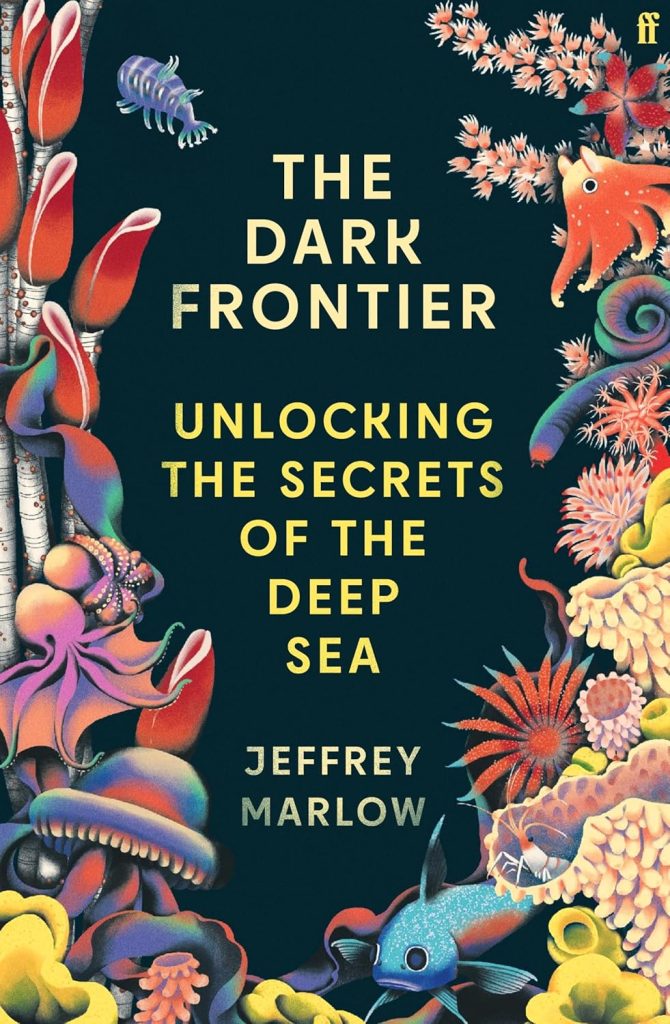
The Dark Frontier: Unlocking the Secrets of the Deep Sea by Jeffrey Marlow (Faber, £20, April 9)
For the marine biologist and deep-sea explorer Jeffrey Marlow, “the ocean we’ve been looking at all these years from shores and ships isn’t a barrier, a boulevard or a background. It’s a portal to another realm — one that may well be the largest, most diverse, most consequential habitat on Earth.” In The Dark Frontier he plunges us into the depths, introducing us to translucent shrimps dancing through sulphurous vents and crabs that stretch 12 feet from claw to claw. His book “offers crucial and surprising insights into the twinned forces of exploration and exploitation in the deep sea”.
Ticket to Ride: Around the World on 49 Unusual Train Journeys by Tom Chesshyre (Summersdale, £10.99, April 9)
Tom Chesshyre, travel writer and self-confessed “train nut”, has explored the world on both epic and everyday rail routes, on vehicles from steam locomotives to bullet trains. In this 10th anniversary edition of his bestseller, he offers a whistle-stop tour of some of the most exhilarating journeys he has done, everywhere from the Scottish Highlands to Sri Lanka.
The Fire in the Mountain: Sicily, Etna and Her People by Helena Attlee (Particular Books, £25, April 16)
Though Mount Etna blows her top several times a year (spectacularly so in June 2025, triggering a red alert for aircraft in the area), her slopes remain home to a quarter of Sicily’s population. Why? Because the volcano has rewarded them after every eruption with a landscape of unparalleled fertility, richness and drama. In her latest book, Helena Attlee, author of the bestseller The Land Where Lemons Grow, tells of living for a season on Etna. She gathers tales of those who over the centuries have been drawn in — early Roman, Arabic and Norman settlers, Romantic poets and Victorian geologists — and hears from the families who live and work there today. The Fire in the Mountain “is at once a compelling account of Sicily’s rich and varied past, and a powerful meditation on humanity’s ever-changing relationship with landscape”.
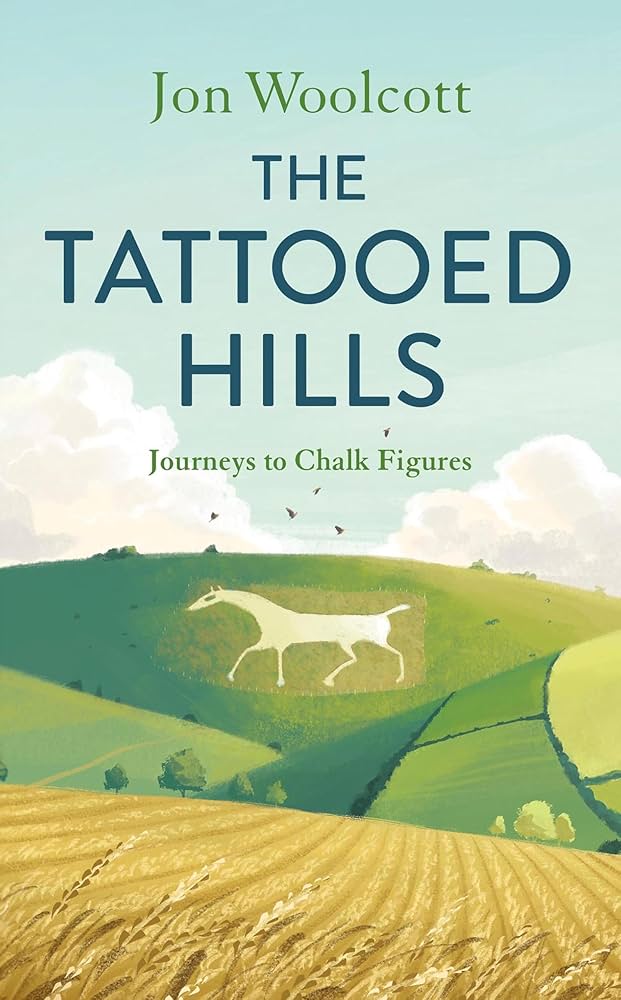
The Tattooed Hills: Journeys to Chalk Figures by Jon Woolcott (Aurum, £17.99, April 23)
On a journey through Britain’s chalklands, the writer and publisher Jon Woolcott uncovers the stories, symbolism and shifting meanings of the mysterious figures carved into the hills, from white horses and giants to a lost panda. “The Tattooed Hills brings together archaeology, folklore, art, literature and music to reveal the evolving story of Britain’s chalk landscapes and the people who shaped them.”
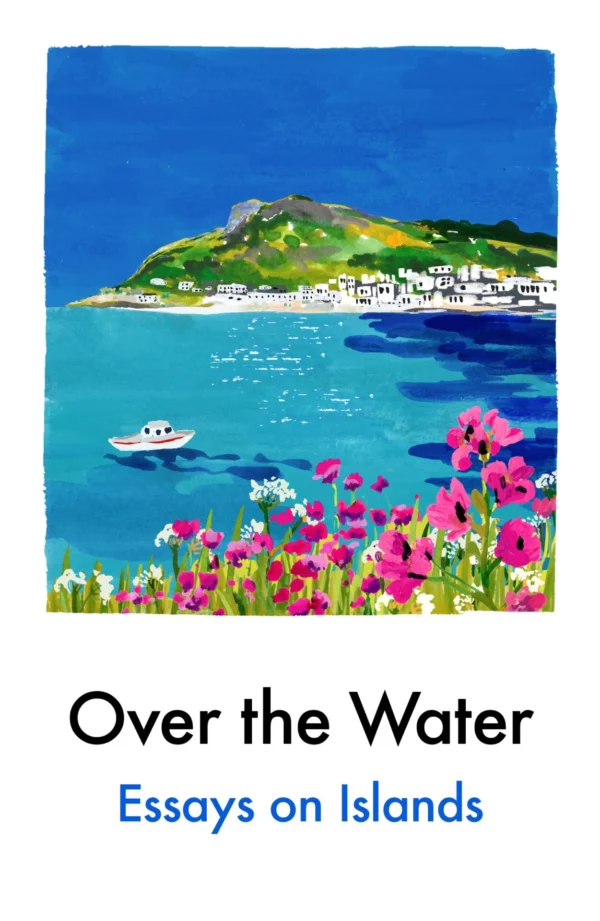
Over the Water: Essays on Islands (Daunt Books, £10.99, April 23)
Previous essay collections from Daunt Books have taken us to ponds and rivers. In this one, 13 writers aim to capture “the magic and mirage of islands”. Octavia Bright remembers a formative trip to Elba, the largest island in Tuscany; Megan Nolan sees Manhattan anew while wandering the city alone; and Anthony Anaxagorou, a British Cypriot, muses on what it means to “straddle two islands, two worlds, two experiences at once”.
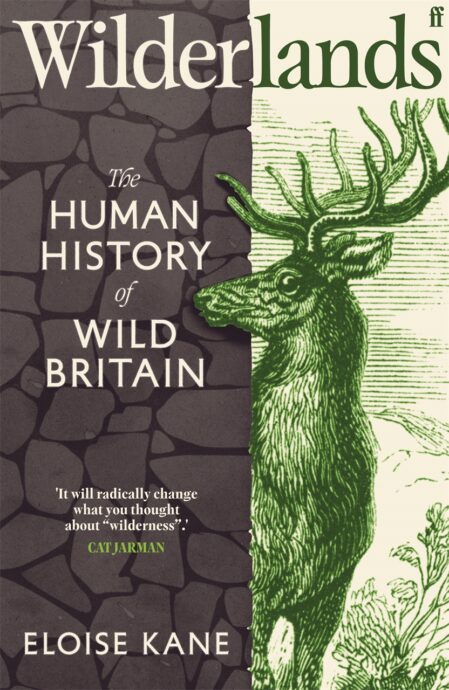
Wilderlands: The Human History of Wild Britain by Eloise Kane (Faber, £20, April 23)
When was Britain last truly wild? And what, if anything, remains? Those questions prompted Eloise Kane, an archaeologist whose life “has been rooted in chalk, open grassland and medieval forest”, to write Wilderlands, in which she unearths 12,000 years of our changing relationship with, and influence on, the landscape. Places free from that influence haven’t existed for a very long time, she says. She invites us to rethink our definition of the wild — not as separate from us but as the result of millions of human lives lived. Wilderlands “demonstrates how we are integral to the ecology and biodiversity of our land — with the power to shape its future”.
Granta 175: Scandinavia edited by Thomas Meaney (Granta, £14.99, April 23)
Following its 174th issue, on the theme of therapy, Granta magazine turns to a region whose people “are alternately considered the happiest on Earth or suicidal conformists fatally reconciled to their ethnic fortresses”, and explores it through the portal of literature. Contemporary Scandinavian writers, from Vigdis Hjorth to Karl Ove Knausgård, Olga Ravn and Jon Fosse — all of whom have contributed to Granta — “continue to shape many of the preoccupations of fiction elsewhere. With the newest Nordic writing… this issue brings the region closer into focus.”
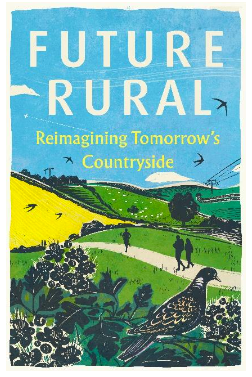
Future Rural: Reimagining Tomorrow’s Countryside (Little Toller/CPRE, £25, April 28)
In a time of rapid environmental, economic and social change, what does the countryside mean to us, and what could it become? That’s a question addressed by a diverse chorus of voices in this anthology, published to mark the centenary of the foundation of the Council for the Preservation of Rural England (now the Campaign to Protect Rural England), the countryside charity. With essays and poetry from leading and emerging writers, Future Rural “searches for a fairer, more sustainable and thriving rural England”. Contributors include Amy Jane Beer, Tim Dee, Zaffar Kunial, Richard Mabey, Helen Mort and Isabella Tree.
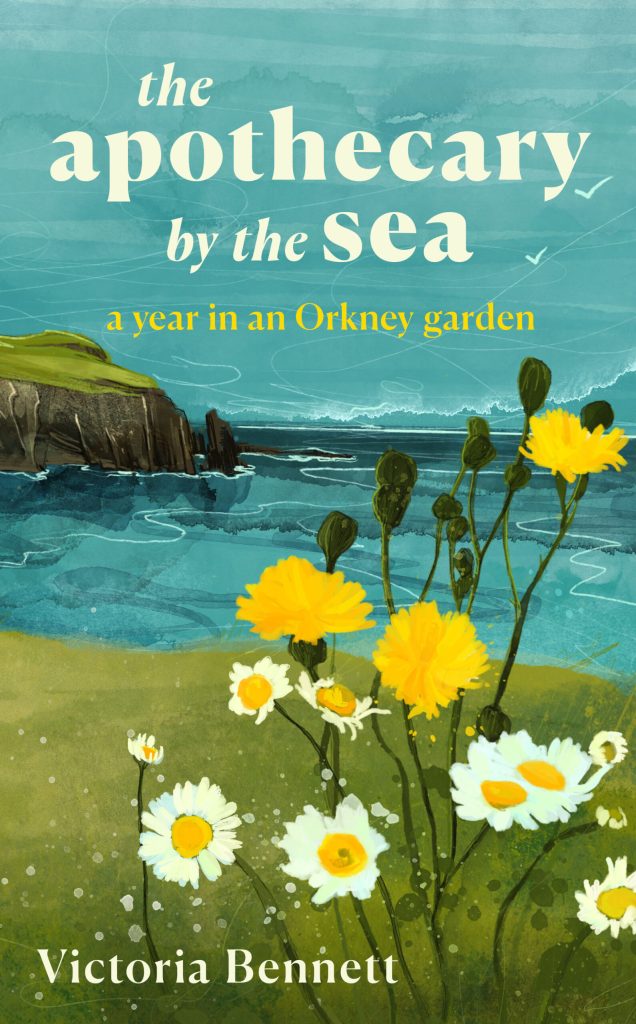
The Apothecary by the Sea: a year in an Orkney garden by Victoria Bennett (Elliott & Thompson, £16.99, April 30)
In the award-winning All My Wild Mothers, Victoria Bennett told how her garden in Cumbria had helped her grow through grief and plants had taught her resilience. In her new book, she and her family have moved 500 miles north of that garden to start anew in Orkney, where the winters are long and the summer a perpetual light. “Uprooted and in an unfamiliar landscape, Victoria instinctively returns to the work of growing, setting out to transform her scrappy backyard into an abundant apothecary garden by the sea, inspired by Orkney’s folklore, ancient landscapes and wild nature.”
MAY
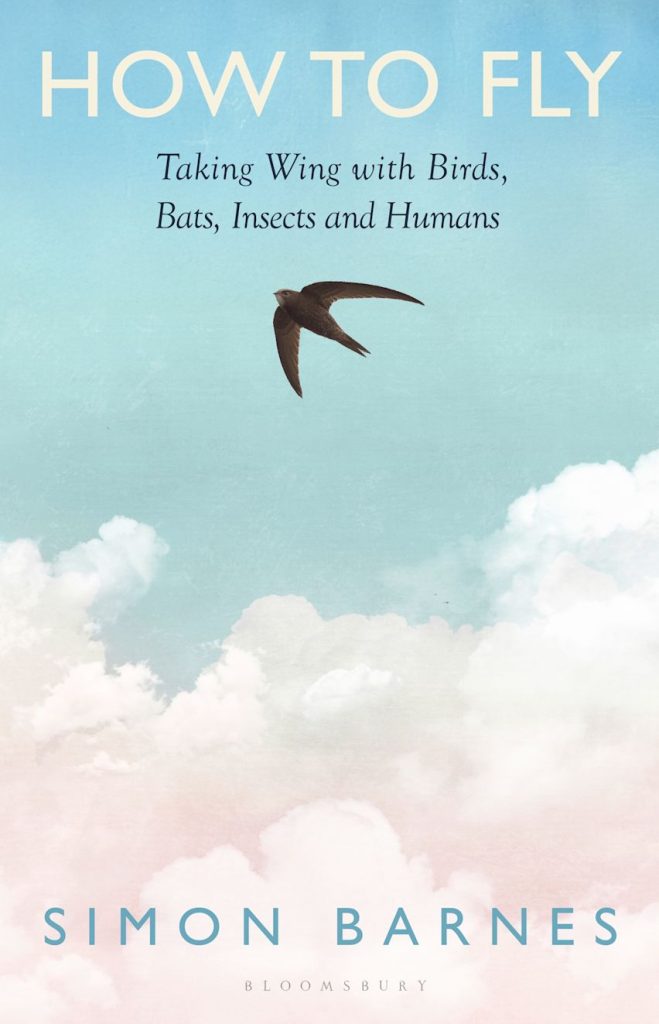
How to Fly: Taking Wing with Birds, Bats, Insects and Humans by Simon Barnes (Bloomsbury, £22, May 7)
Simon Barnes can soar pretty high without wings. In his account of a pandemic safari in his garden, The Year of Sitting Dangerously, he reminded us that you can be transported simply by looking at the local with fresh eyes. In his latest book, he brings together all aspects of aerial life – evolution, technology, mythology, religion, nature and imagination – in a celebration of the wonders of flight. He looks at the physics and how it has evolved. He examines how flying’s done — by nocturnally agile bats and barely competent pheasants. He also explores how poets, mystics, saints, musicians and athletes have all, in their different ways, succeeded in getting high and getting us high. “Sweeping in scope and packed with fresh insights, How to Fly is a book for the eagle within us all.”
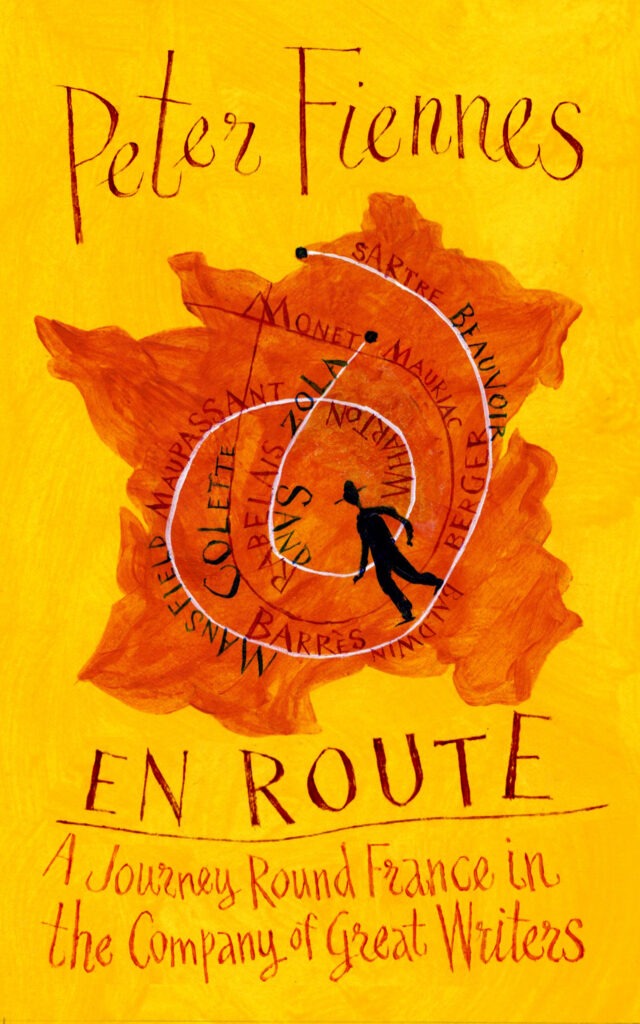
En Route: A Journey Round France in the Company of Great Writers by Peter Fiennes (Oneworld, £18.99, May 7)
In Footnotes (2019), Peter Fiennes travelled round Britain on the trails of a dozen writers, from Enid Blyton to Charles Dickens, combining education with entertainment and proving himself (as JB Priestley might have put it) a thoroughly Good Companion. In En Route, making a loop from Le Havre to Paris, he offers a literary tour of France. “Fiennes drinks with Sartre and de Beauvoir in the bars of Rouen and Le Havre; follows Edith Wharton’s ‘Motor-Flight’ along the Loire Valley to the home of George Sand; and explores the beaches of the south with Colette and Katherine Mansfield. He lingers in Bordeaux with François Mauriac, canvases the foothills of the Alps with John Berger and follows Colette to the trenches at Verdun, before finally heading to Paris, where he consigns Maupassant to an asylum and Sartre to his grave.”
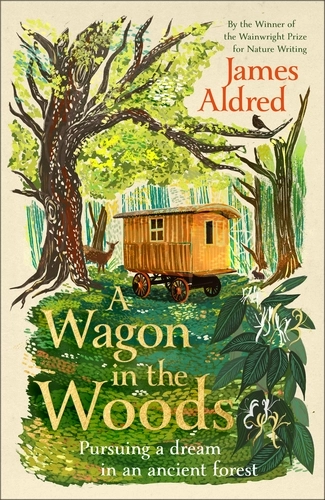
A Wagon in the Woods: Pursuing a dream in an ancient forest by James Aldred (Transworld, £20, May 7)
James Aldred is an award-winning cameraman specialising (as his website puts it) in “natural history & filming from ropes at height”. He is also the author of The Man Who Climbs Trees and of Goshawk Summer, which won him the 2022 Wainwright Prize for Nature Writing. In his new book he tells how, on finding an old Romani wagon he had played in as a child, he was borne back to a magical summer in the New Forest 40 years ago. He set out to restore the wagon, with the hope of reliving that summer with his young family. His “evocative memoir” is “a story of homecoming and a portrait of the New Forest, its rich heritage, and passionate inhabitants — including, historically, the Romani people”.
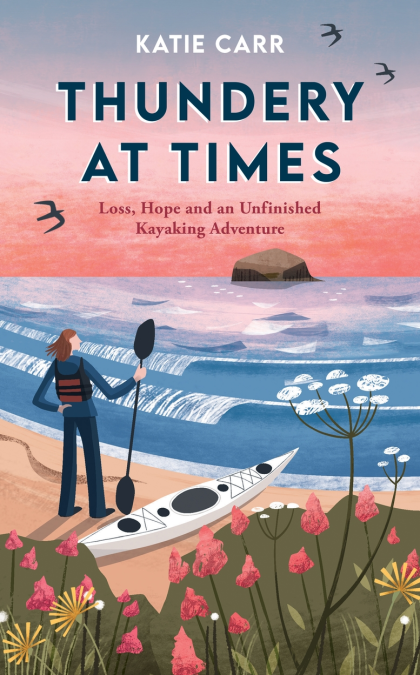
Thundery at Times: Loss, Hope and an Unfinished Kayaking Adventure by Katie Carr (Summersdale, £18.99, May 14)
When her brother Toby died in the middle of his challenge to paddle every area of the Shipping Forecast, Katie Carr told his story, using as many of his words as she could, in Moderate Becoming Good Later. Then — though she had never been in a sea kayak — she decided to honour his memory by completing his adventure. In Thundery at Times, she journeys from the monotonies of motherhood in urban Barcelona (where she works as a leadership lecturer and coach) to the wild far reaches of the British Isles. Her book “is about finding joy and hope in nature, motherhood and middle age… a story of female resilience in the face of adversity…”
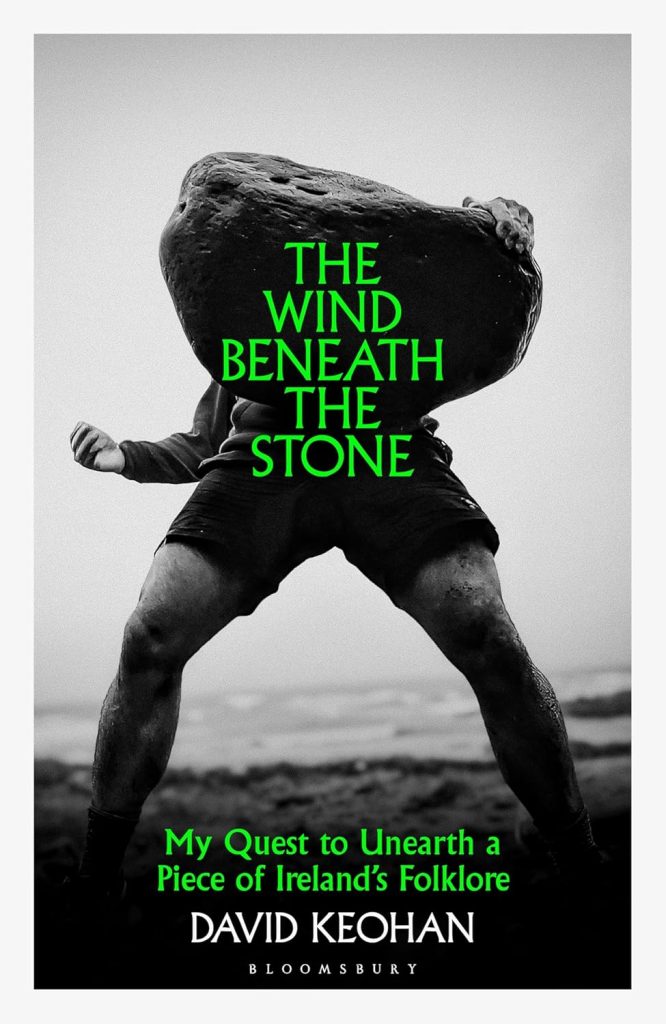
The Wind Beneath the Stone: My Quest to Unearth A Piece of Ireland’s Folklore by David Keohan (Bloomsbury, £20, May 21)
When the Covid pandemic curtailed his gym sessions, David Keohan, world kettlebell lifting champion, began lifting stones on the land around his home in Waterford and on the nearest beach. Then he discovered that stone lifting had for centuries been used in Ireland in tests of strength, and often as a rite of passage at events such as weddings and funerals.
He travelled around the country, seeking out the most famous stones and talking to those who recalled the stories and legends attached to them. As he bent under the weights — the heaviest were more than 200 kilograms — others began joining him, in what he saw as a reclamation of a lost heritage. “The Wind Beneath the Stone is an inspirational story of hope, togetherness and community, revealing how a simple challenge can take on a life of its own.”
JUNE
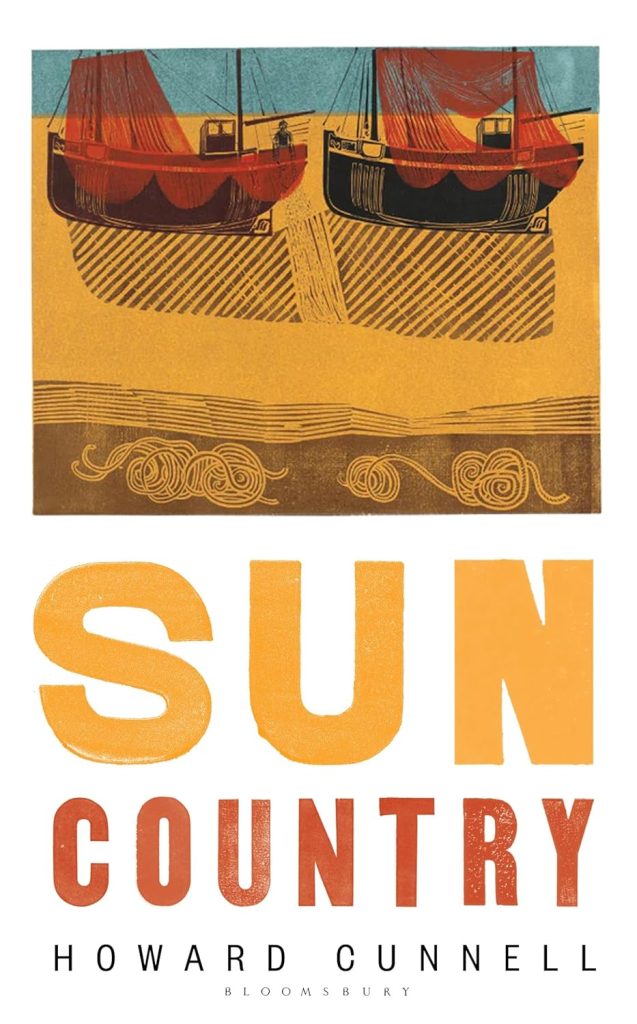
Sun Country: Writing My Way Home by Howard Cunnell (Bloomsbury, £16.99, June 4)
In Fathers and Sons, which was a Radio 4 Book of the Week, Howard Cunnell (editor of the “Original Scroll” version of Jack Kerouac’s On the Road) told of growing up on the Sussex coast, where his sense of self was dominated by his father’s absence, and then of becoming father to a daughter, who transitioned to become his son. In his latest book, following the death of his mother, he examines how her experiences shaped his life as well as her own. Moving from grief, isolation and solitude to a gradual re-engagement with the things they shared, Cunnell writes about their life on the coast, the gifts of the natural world, about work, community and family, and about love and selflessness. “Sun Country is a love letter to a land of coastal light and changing sea, and the people who inhabit it.”
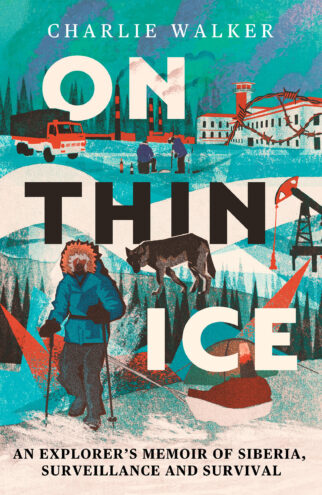
On Thin Ice: An Explorer’s Memoir of Siberia, Surveillance and Survival by Charlie Walker (Duckworth, £16.99, June 11)
In early 2022, Charlie Walker, a British explorer and author specialising in long-distance expeditions, set out to hike 600 miles along Siberia’s frozen rivers. His aim was to reach remote settlements of the indigenous Sakha and Evenki peoples and witness their way of life in the harsh northern winter. But on February 24, three days after he arrived in Yakutsk, Russia invaded Ukraine. Walker completed his trek, but along the way he was accused of spying and spent four weeks in prison. On Thin Ice “juxtaposes the harsh beauty of a Siberian winter with a thriller-like series of events that exposes the dark heart of Putin’s propaganda machine. It is both the extraordinary record of one man’s walk… and a powerful insight into a deeply troubled – and troubling – nation.”
JULY
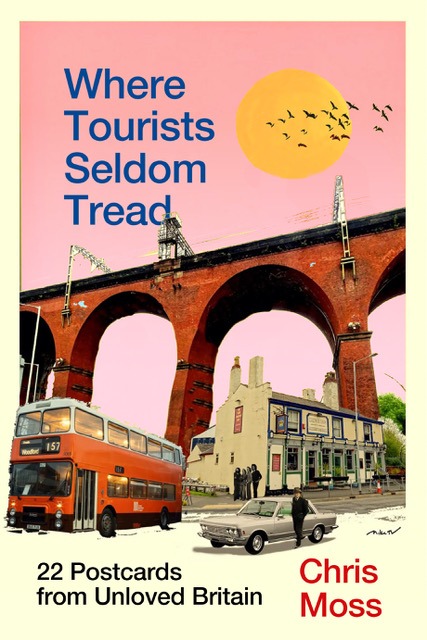
Where Tourists Seldom Tread: Postcards from Bypassed Britain by Chris Moss (Guardian Faber, £20, July 16)
In a series for The Guardian, Chris Moss has been visiting places in the UK that rarely draw the attention of travel writers or tourist boards — from Warrington to Slough, from Dungannon to Newport. Now he’s drawing on that series for a book. “As he encounters the rich stories and spirits of these places, peeling back layers of history and culture, he considers why the hidden pleasures they have to offer have been ignored by most. Where Tourists Seldom Tread is an invitation to move away from our preferences for major cities and rural idylls, serving as a celebration of Britain’s under-appreciated towns and offering a new field guide to the country.”
AUGUST
Stringer: A Reporter’s Journey in the Congo and Bad News: Last Journalists in a Dictatorship by Anjan Sundaram (Daunt Books, £10.99 each, August 13)
Two books, republished by Daunt, from a man described by Fergal Keane of the BBC as “one of the great reporters of our age”. Anjan Sundaram is now an award-winning author, journalist and television presenter, but when he went to the Congo in 2005 at 22, to cover a war he felt the western media was ignoring, he was new to the trade. Having turned down a job as a mathematician with the investment bank Goldman Sachs, and bought a one-way ticket, he worked as a stringer — a freelance paid by the word — for the Associated Press agency for 18 months. Stringer is both a portrait of life in a broken, lawless country and a memoir of his own coming of age. In Bad News, Sundaram, who spent almost five years in Rwanda on a training project for journalists, tells of the battle for free speech under the regime of President Paul Kagame. Ian Birrell, reviewing the book for The Observer on its initial publication in 2016, said it was “a superb exposé of a dictatorship”, showing “how the tentacles of totalitarianism squeeze the life from a society”.
SEPTEMBER
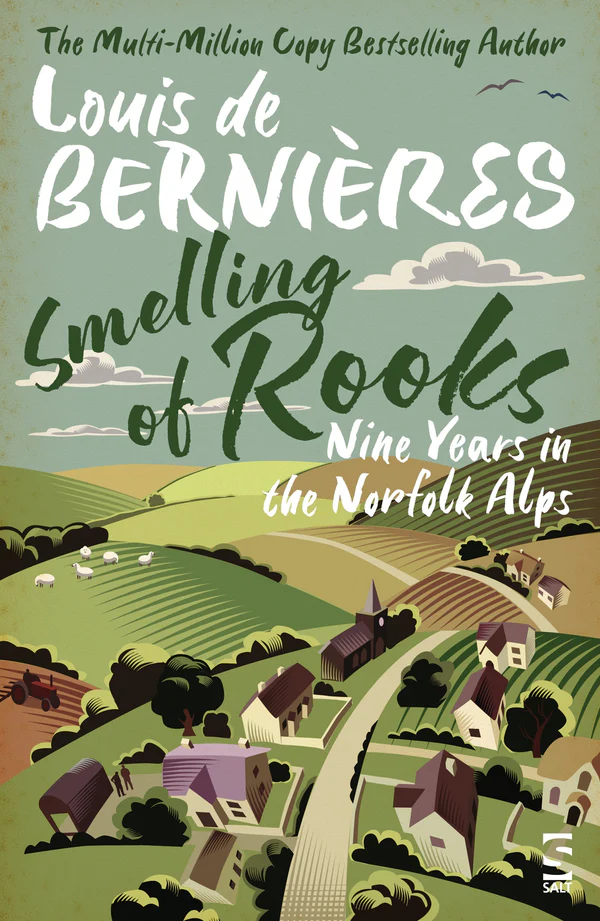
Smelling of Rooks: Nine Years in the Norfolk Alps by Louis de Bernières (Salt Publishing, £10.99, Sept 21)
Place was central to the last book from Louis de Bernières, Light Over Liskeard, but that was a novel, about a scientist fleeing the madness of city life for the Cornish countryside. In Smelling of Rooks, the bestselling author of Captain Corelli’s Mandolin draws on a decade of his Facebook posts to offer a portrait of his own daily round. “Set against the rolling fields and modest peaks of what he calls the ‘Norfolk Alps’, this accidental memoir captures a writer at ease with his life, his readers and his absurdities. There are riffs on the pleasures of cooking and DIY, portraits of friends and neighbours, the escapades of his children, and the unpredictable joys of country living.”
NOVEMBER
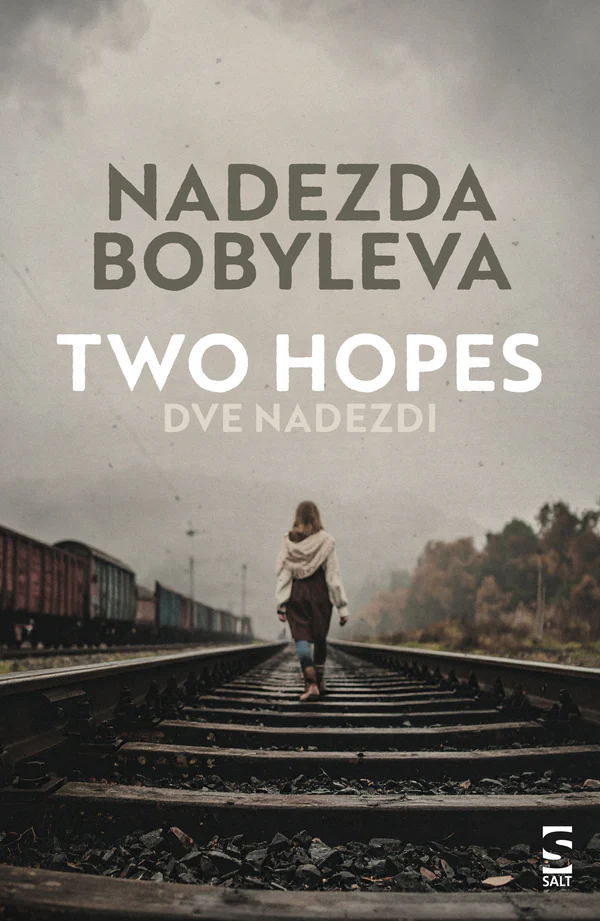
Two Hopes (Dve Nadezdi) by Nadezda Bobyleva (Salt Publishing, £10.99, November 2)
When Nadezda Bobyleva was born, Ukraine and Russia were one — “just like my family,” she says. “We are made of both. But where do we stand now, in this conflict? How are we defined today?” In search of the father who vanished from her life, she travels from Ukraine to Moscow for the first time in 20 years to reconnect with her family’s past. Alongside her contemporary narrative runs the voice of another Nadja, her grandmother, whose 1960s diary entries recount her return to a Ukrainian hamlet ravaged by famine, repression and war. In Two Hopes, Bobyleva — who describes herself on social media as an author, film-maker and actress — blends travel memoir, family mystery and historical reportage to show “how trauma lingers, how displacement echoes across time, and how the struggle for belonging repeats itself from one life to the next”.


Leave a Reply